
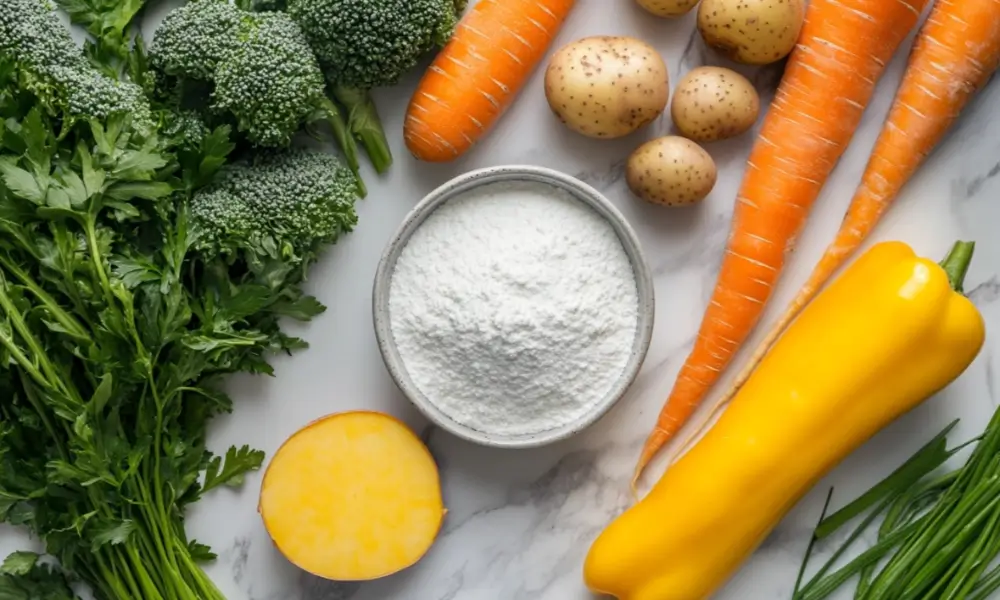
Passover is a time of deep tradition, joyous gatherings, and, of course, delicious food. But it’s also a holiday filled with strict dietary rules that can leave even the most experienced cooks scratching their heads. One question that often comes up is whether potato starch is OK for Passover. Let’s explore this pantry staple in depth, answer your burning questions, and show you how it fits into the Passover puzzle.
Understanding Passover Dietary Laws
If you’ve ever celebrated Passover, you know the holiday is all about avoiding chametz. But what exactly does that mean? To answer this, let’s take a closer look at the rules behind Passover cooking and how they shape your Seder menu.
What Is Chametz and Why Is It Avoided?
Chametz refers to any food made from five specific grains—wheat, barley, rye, oats, and spelt—that has fermented or risen. Even the smallest trace of chametz can make a dish unsuitable for Passover. This is why families scrub their kitchens spotless and clear pantry shelves in preparation for the holiday. But why do we avoid chametz in the first place?
“Chametz symbolizes arrogance and self-importance, while matzah represents humility and simplicity. By removing chametz, we cleanse both our homes and our spirits for the holiday.”
In essence, the absence of chametz is a reminder of the Israelites’ hurried escape from Egypt, when there was no time to let their bread rise. This is why leavened foods are strictly off-limits during Passover.
Kosher for Passover Certification: What to Look For
To ensure your food complies with Passover rules, look for a Kosher for Passover certification. This label guarantees that the food has been inspected and approved for use during the holiday. Without it, there’s no way to be sure that a product is free from chametz.
What Is Potato Starch?
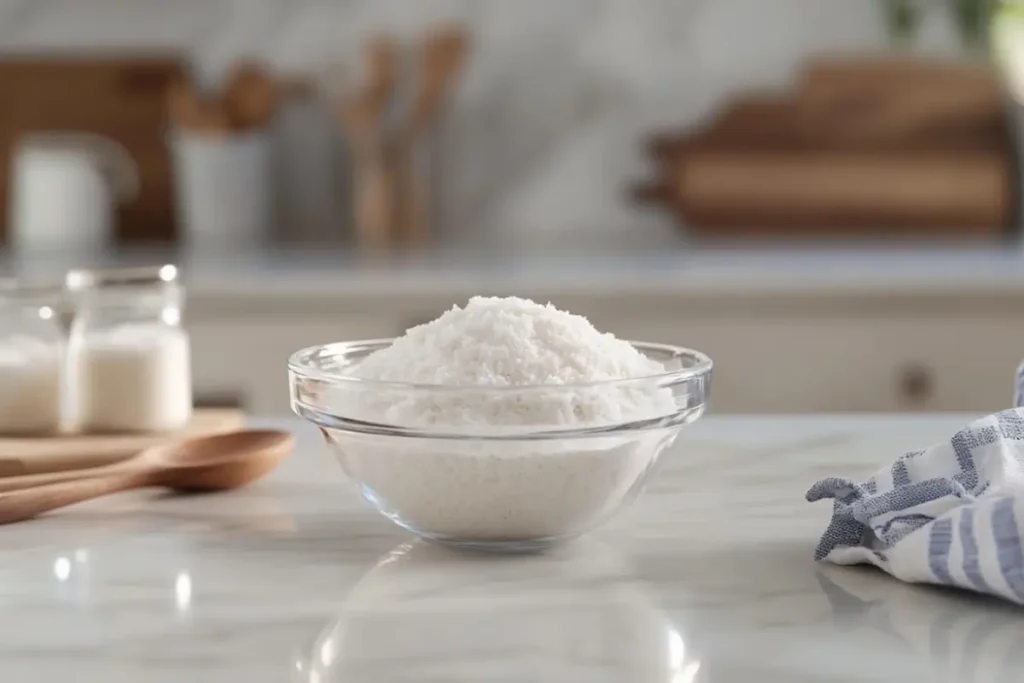
Now that we’ve covered the basics of Passover dietary laws, let’s talk about potato starch. This versatile ingredient is a game-changer for Passover recipes, but what exactly is it, and how is it different from other starches?
How Potato Starch Is Made
The process of making potato starch is simpler than you might think. Potatoes are crushed to release their starch granules, which are then separated from the rest of the potato. These granules are washed, dried, and ground into a fine, powdery starch. The result is a light, neutral-tasting ingredient that’s perfect for cooking and baking.
Unlike wheat-based flours, which are packed with gluten, potato starch is naturally gluten-free. This makes it an excellent option not just for Passover, but for anyone with gluten sensitivities as well.
Difference Between Potato Starch and Potato Flour
It’s easy to confuse potato starch with potato flour, but they’re not the same thing. Potato flour is made by cooking, drying, and grinding the entire potato, including the skin. It’s much denser and has a stronger flavor, which makes it less versatile than potato starch. Potato starch, on the other hand, is pure starch extracted from the potato, giving it a lighter texture and more neutral taste.
| Nutrient | Amount |
|---|---|
| Calories | 40 |
| Carbohydrates | 10g |
| Fat | 0g |
| Protein | 0g |
| Fiber | 0g |
Is Potato Starch Kosher for Passover?
Here’s the good news: Yes, potato starch is generally considered OK for Passover. It’s not made from grains that can become chametz, so it’s a safe choice for your Passover pantry. But there’s a catch—always check for a Kosher for Passover certification. Without it, there’s no guarantee that the potato starch hasn’t come into contact with chametz during processing.
Why Potato Starch Is Commonly Used During Passover
Potato starch is a true hero of Passover cooking. Its neutral flavor and fine texture make it incredibly versatile. You can use it to thicken sauces, bake fluffy cakes, or even create crispy coatings for fried foods. It’s like a secret weapon that helps you recreate your favorite dishes without violating Passover rules.
Another reason potato starch is so popular? It’s easy to find. Most grocery stores carry at least one brand that’s certified Kosher for Passover, so you won’t have to hunt high and low to stock up.
Certification Requirements for Passover-Approved Potato Starch
Not all potato starch is created equal when it comes to Passover. For it to be considered Kosher for Passover, it must be processed in facilities that are free from chametz. This ensures there’s no cross-contamination, which is especially important during such a strict holiday.
“When in doubt, always look for the OU-P or other reliable certifications. It’s better to be safe than sorry!”
Common Uses of Potato Starch in Passover Recipes
Now that you know potato starch is Passover-approved, let’s talk about how to use it. From baking to thickening, this versatile ingredient can do it all. Here are some ideas to get you started.
Baking with Potato Starch: Tips and Tricks
If you’ve ever baked with potato starch, you know it’s a game-changer. It adds a light, fluffy texture to cakes and cookies that’s hard to beat. For best results, use potato starch in combination with other Passover-friendly flours, like almond or coconut flour. This creates a balanced texture that’s perfect for desserts.
Thickening Soups and Sauces with Potato Starch
Potato starch is an excellent thickener for soups and sauces. Unlike cornstarch, which can break down under high heat, potato starch holds up well and creates a silky texture. Just be sure to mix it with cold water before adding it to hot liquids to prevent clumping. Nobody wants lumpy gravy, right?
Substituting Potato Starch in Recipes: Dos and Don’ts
If you’re out of potato starch, don’t worry—you have options. Tapioca starch and arrowroot powder are great substitutes, as long as they’re labeled Kosher for Passover. However, steer clear of cornstarch unless it’s explicitly certified for Passover. Many brands of cornstarch are processed in facilities that handle chametz, making them unsuitable for the holiday.
With these tips in mind, you’re well on your way to mastering the art of Passover cooking. Stay tuned for Part 2, where we’ll tackle common problems, solutions, and more tips for using potato starch during Passover. 🥔✨
Most Common Problems and Concerns Related to Potato Starch for Passover
While potato starch is a fantastic ingredient for Passover cooking, it’s not without its quirks. If you’ve ever faced a kitchen mishap involving potato starch, you’re not alone! Here are some of the most common issues people encounter, along with solutions to make your cooking experience stress-free.
Is All Potato Starch Kosher for Passover?
One major concern is whether all potato starch is automatically Kosher for Passover. Unfortunately, the answer is no. While potato starch itself is not chametz, the processing facilities can sometimes be a source of cross-contamination. This is why it’s crucial to look for the Kosher for Passover label. Without it, there’s no way to be certain it meets the strict guidelines of the holiday.
Avoiding Contamination with Chametz
Another issue is the risk of contamination. Even if the potato starch itself is kosher, it could be stored or processed near grains or other chametz. To avoid this, always buy brands that are certified for Passover and store them separately from non-Passover foods in your kitchen. A little extra care goes a long way!
“Think of your kitchen like a Passover fortress. Everything inside should be chametz-free and ready for the holiday.”
Shelf Life and Storage Challenges of Potato Starch
Potato starch is highly absorbent, which means it can clump or spoil if not stored properly. Moisture is its worst enemy, so keep it in an airtight container and store it in a cool, dry place. Some people even freeze their potato starch to extend its shelf life, but make sure it’s sealed tightly to avoid freezer burn.
Solutions and Tips for Using Potato Starch During Passover
Now that we’ve tackled the problems, let’s focus on solutions! With a few simple tips, you can make the most of potato starch in your Passover cooking and avoid common pitfalls.
Choosing the Right Brand: What to Check
Not all potato starch brands are equal, so choose the right one carefully. Look for trusted certifications like OU-P or Star-K to ensure rigorous inspection. When shopping online, read reviews to find out what other Passover cooks say about the brand. Doing a little research upfront saves you a lot of headaches later.
Storing Potato Starch Properly to Maintain Freshness
As mentioned earlier, moisture is the enemy of potato starch. Store it in a tightly sealed container, away from heat and humidity. If you’re buying in bulk, consider dividing it into smaller portions and storing them in separate containers. This way, you won’t expose the entire batch to air each time you use it.
How to Avoid Common Mistakes When Cooking with Potato Starch
One of the biggest mistakes people make with potato starch is adding it directly to hot liquids. This can cause clumps that are nearly impossible to dissolve. Always mix potato starch with a small amount of cold water to create a slurry before adding it to your recipe. Trust me, your sauces and soups will thank you!
Creative Ways to Use Potato Starch for Passover
Now that you’re a potato starch pro, let’s get creative! Here are some fun and delicious ways to incorporate it into your Passover menu:
- Passover Pancakes: Swap out flour for potato starch to create light, fluffy pancakes that are perfect for breakfast.
- Fried Treats: Coat fish or vegetables in potato starch before frying for a crispy, golden crust.
- Matzo Ball Soup: Add a touch of potato starch to your matzo ball mixture for extra fluffiness.
Quick Recipe: Potato Starch Pancakes
| Ingredient | Quantity |
|---|---|
| Potato Starch | 1 cup |
| Eggs | 2 |
| Water | 1/2 cup |
| Salt | 1/4 tsp |
Instructions: Combine all ingredients in a bowl until smooth. Heat a non-stick skillet over medium heat and pour in small amounts of batter. Cook until bubbles form, then flip and cook the other side. Serve warm with a drizzle of honey or maple syrup. 🍯
Frequently Asked Questions
If you’re still scratching your head about how to use potato starch during Passover, don’t worry—we’ve got you covered. Here are some of the most frequently asked questions about this versatile ingredient.
Can You Use Other Starches Instead of Potato Starch?
Yes, but it depends on the recipe and the certification. Tapioca starch and arrowroot powder are great alternatives, as long as they’re labeled Kosher for Passover. Cornstarch is another option, but only if it has the proper certification. Remember, not all starches are Passover-friendly!
Is Potato Starch Gluten-Free?
Absolutely! Potato starch is naturally gluten-free, which makes it a fantastic option for people with gluten sensitivities or celiac disease. Just be sure to double-check the label for any potential cross-contamination.
Why Does Potato Starch Sometimes Clump in Recipes?
Clumping happens when potato starch is exposed to heat or moisture too quickly. To avoid this, always mix it with cold water before adding it to your dish. This simple step creates a smooth slurry that blends easily into your recipe.
For Passover-Friendly Ideas
Try a comforting Passover Potato Pie for your holiday table.
Final Thoughts on Potato Starch for Passover
Potato starch is truly a Passover powerhouse. It’s versatile, easy to use, and works beautifully in a wide range of recipes. Whether you’re baking, frying, or thickening, this ingredient is here to make your Passover meals a success. Just remember to choose certified brands, store it properly, and follow these simple tips to avoid any hiccups in the kitchen. Happy Passover, and may your holiday be filled with delicious dishes and joyful memories! 🥔✨